

Aluminium Tile Trim
Aluminium tile trim
Foshan XingTaoMei Aluminum Industry Co., Ltd. started as a family owned business in 1970s. The first generation was one of the first entrepreneurs in the aluminum profile industry in Foshan, which has been called Aluminum City in China up till now.
After all these years, Xingtaomei has developed into a manufacturing expert with more than 350 employees and a best-known name in the industry for its quality products and trustworthy reputation.
Our major products include aluminum tile trim, floor edge trim, wall edging, stair nosing, LED profile, high partition profile, linear profile, air diffuser profile, cabinet profile, wardrobe profile, furniture profile, tubes, pipes, etc.
Why Choose Us
High Quality Products
We are committed to providing our customers with the highest quality aluminum products. Our products are made from top-quality materials and are manufactured to the highest standards.
Customized services
We understand that different customers have different needs. That's why we offer customization options to meet your specific requirements. We can manufacture our products according to your specifications.
Competitive Pricing
We offer our products at competitive prices to make them affordable for all our customers. You can trust us to provide you with the best value for your money.
Long Warranty
We understand the importance of timely delivery. That's why we have a fast and efficient delivery system in place to ensure that your products are delivered on time.
Professional Team
At Foshan XingTaoMei Aluminum Industry Co., Ltd., we believe in providing excellent customer service. Our knowledgeable and friendly staff are always ready to assist you with any questions or concerns you may have.


Aluminium tile trim is placed along the edge to finish the edge of a tiled area. It can be used on the floor as well as on the wall for edge protection and transition. Aluminium tile trimmer can use in the kitchen as a water barrier on benches around the sink. It is very important to use aluminium tilling trim when a different size of tile and tile trim is mixed with another surface such as carpet, wood, or vinyl. Since it accommodates the height difference in flooring and provides a perfect finish look.
Aluminium tile trim is used to cover the unfinished edge or sharp edges or corners or the exposed cut edge of the tile that could be dangerous. Aluminium tilling trims are needed to protect the tile edge and protect skin from the sharp edge of a cut tile. Normally, Aluminum tile trims are installed in unfinished tile edges, edges around the shower niche, and kitchen bench.
Benefits of Aluminium Tile Trim
Durability
Aluminium is a strong and durable material that can withstand heavy use and last for a long time.
Easy Installation
Aluminium tile trim can be easily cut and installed, making it a quick and convenient solution for finishing tile edges.
Aesthetic Appeal
Aluminium tile trim can be painted or anodized in a variety of colors and finishes, allowing it to match any decor or design style.
Water Resistance
Aluminium is naturally resistant to water, making it an ideal material for tile trim in areas prone to moisture, such as bathrooms and kitchens.
Maintenance
Aluminium is easy to clean and maintain, requiring only regular wiping with a damp cloth to keep it looking new.
Versatility
Aluminium tile trim can be used on both walls and floors, and can be used to create borders or accents around tiles.
Types of Aluminium Tile Trim
Aluminium tile trim comes in various types, each designed for specific applications and aesthetic preferences. Here are some common types of aluminium tile trim:
Square Edge Trim
This type of trim covers the exposed edges of tiles to provide a neat and uniform finish. It is often used in flooring applications where a clean, squared-off look is desired.
Inside Corner Trim
This trim is used to create a smooth and seamless transition between two adjacent walls or corners where tiles meet.
Outside Corner Trim
Similar to inside corner trim, outside corner trim is designed for external corners. It provides a finished look to the outside edges of tiled walls.
Wall Base Trim
Wall base trim is used at the juncture where walls and floors meet. It protects the lower part of the wall from damage and provides a finished appearance.
Reducing Trim
This type of trim is used when there is a need to bridge the gap between tiles of different sizes or heights. It can also be used to create a gradual transition between different flooring materials.
Decorative Trim
Decorative aluminium trims are designed to add a touch of elegance to tiled surfaces. They can be shaped and finished in various ways to create borders, accents, and decorative patterns.
T-Molding Trim
T-molding is a type of trim that is used at the intersection of two flooring surfaces, such as a room divider or a transition between rooms with different floor coverings.
Threshold Trim
Threshold trim is used at the entrance of a room where the flooring material changes. It covers the expansion joint and provides a comfortable transition from one flooring type to another.
Junction Trim
Junction trim is used where different wall and floor coverings meet, such as a step or a balcony.
Material of Aluminium Tile Trim
Aluminium tile trim is a specialized building material that is primarily composed of aluminium. The use of aluminium in tile trim offers several benefits that make it a popular choice for finishing and protecting the edges of tiled surfaces.
Aluminium is a malleable and lightweight metal that is renowned for its strength, durability, and resistance to corrosion. These properties make it ideal for creating a robust and long-lasting trim that can withstand the demands of high-traffic areas and harsh environments, such as bathrooms and kitchens.
The aluminium used in tile trim is often alloyed with other elements, such as copper, zinc, or magnesium, to enhance its properties and tailor it to specific applications. These alloys can improve the metal's strength, workability, and resistance to impact and wear.
Aluminium tile trim can be finished with a variety of coatings, including paint and anodizing. Anodizing is an electrochemical process that thickens the natural oxide layer on the surface of the aluminium, creating a durable, corrosion-resistant finish that can enhance the metal's appearance and resistance to wear and abrasion.
Other materials may be used in the manufacturing of tile trim to provide additional functional benefits. For example, PVC linings or glues may be used to improve adhesion, flexibility, or to serve as a cushioning layer. These supplementary materials are selected for their compatibility with aluminium and their ability to enhance the performance and functionality of the tile trim without compromising its structural integrity or aesthetic appeal.
Aluminium tile trim finds application in numerous building and construction projects, where it serves to enhance the aesthetic appeal and functionality of tiled surfaces. Detailed look at the various applications of aluminium tile trim:
Finishing Edges
Aluminium tile trim is commonly used to finish the exposed edges of tiles. This is especially important in areas with high foot traffic, where the edges of tiles are prone to chipping and damage. The trim provides a protective barrier that prevents damage to the tile edges and gives the tiled surface a neat and uniform appearance.
Corners and Junctures
Aluminium tile trim is used to create smooth transitions between walls and corners, as well as between different flooring materials. Inside corner trim is used where two adjacent walls meet, while outside corner trim is installed at external corners. Junction trim is also available for areas where different wall and floor coverings meet, such as steps or balconies.
Walls and Floors
Aluminium tile trim can be used on both vertical and horizontal surfaces. Wall base trim is installed at the juncture between walls and floors, protecting the lower part of the wall from damage and providing a finished appearance. Floor transition trim is used where different floor coverings meet, such as at room dividers or where rooms with different flooring materials meet.
Decorative Accents
Aluminium tile trim can be used to create decorative borders and accents around tiles. Decorative trims are available in a variety of shapes, sizes, and finishes, allowing designers to add a touch of elegance and custom detailing to tiled surfaces.
Commercial and Residential Spaces
Aluminium tile trim is suitable for both commercial and residential settings. It is commonly used in bathrooms, kitchens, entrances, hallways, and other areas where tiled surfaces are exposed to heavy use and potential damage.
Process of Aluminium Tile Trim
The process of manufacturing aluminium tile trim involves several steps that combine various materials and techniques to create a durable and aesthetically pleasing product. Here's a detailed look at the process:
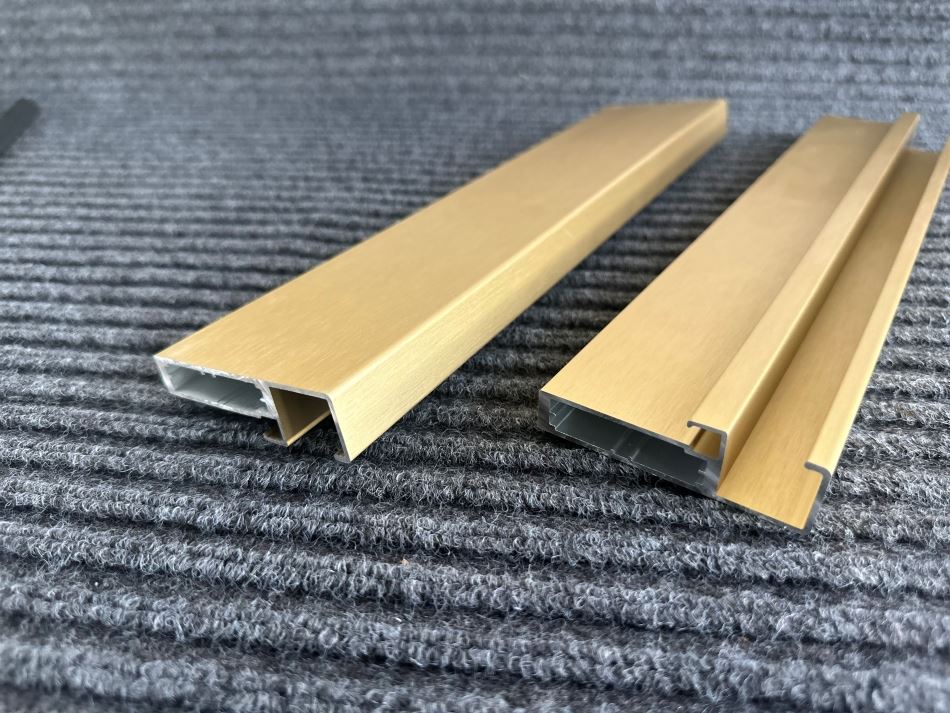


Material Selection: The first step in the manufacturing process is selecting high-quality aluminium as the primary material for the tile trim. The aluminium is chosen for its strength, durability, and resistance to corrosion. It may be alloyed with other elements to enhance its properties and suitability for specific applications.
Extrusion: The aluminium is heated and then forced through a die, a process known as extrusion, to achieve the desired shape and profile of the tile trim. The extrusion process allows for precise control over the dimensions and shape of the trim, ensuring a consistent and uniform product.
Cooling: After extrusion, the aluminium tile trim is cooled to room temperature. This can be done through air cooling or by submerging the trim in water to rapidly cool it down and solidify its shape.
Finishing: The extruded aluminium tile trim may undergo additional finishing processes to enhance its appearance and performance. This can include sanding, buffing, or brushing to create a specific texture or aesthetic effect.
Coating: To improve the corrosion resistance and aesthetic appeal of the tile trim, a coating process is often applied. This can involve paint or anodizing, which creates a durable, coloured finish on the surface of the aluminium. Anodizing involves submerging the aluminium in an acid solution and passing an electric current through it to thicken the natural oxide layer on its surface, resulting in a hard, wear-resistant finish that can enhance the metal's appearance and resistance to wear and abrasion.
Assembly: The aluminium tile trim is then ready to be assembled onto the tiled surface. This can involve applying adhesives or mechanical fasteners to securely attach the trim in place and ensure a watertight seal.
Quality Control: Throughout the manufacturing process, quality control measures are taken to ensure that the aluminium tile trim meets the required standards for strength, durability, and appearance. This may include testing the trim's structural integrity, chemical resistance, and aesthetic finish.
Packaging and Distribution: Once manufactured and inspected, the aluminium tile trim is packaged for distribution. It is carefully packed to protect it during transportation and to ensure it arrives in good condition for installation.
Aluminium tile trim is a specialized building material that is designed to finish and protect the edges of tiled surfaces. It is composed of several components that work together to provide a robust and aesthetically pleasing product.Detailed look at the components of aluminium tile trim:
Aluminium Body: The primary component of aluminium tile trim is the aluminium body. This forms the structural core of the trim and provides the necessary strength and durability. The aluminium body is often alloyed with other elements to enhance its properties and suitability for specific applications.
Profile: The profile of the aluminium tile trim refers to its specific shape and design, which can vary depending on the manufacturer and the intended application. The profile is determined during the extrusion process, where the aluminium is heated and forced through a die to achieve the desired shape.
Surface Finish: The surface of the aluminium tile trim is often coated with paint or anodized to improve its appearance and resistance to corrosion and wear. Anodizing creates a durable, coloured finish on the surface of the aluminium by submerging it in an acid solution and passing an electric current through it to thicken the natural oxide layer on its surface.
Edges and Corners: Aluminium tile trim typically has smooth edges and corners to prevent injury and ensure a comfortable surface. The edges may be rounded or squared, depending on the desired aesthetic and functional requirements.
Adhesive or Fasteners: To attach the aluminium tile trim to the tiled surface, adhesive or mechanical fasteners are used. These components ensure that the trim is securely attached and provides a watertight seal where necessary.
How to maintain Aluminium Tile Trim
Maintaining aluminium tile trim involves a few simple tasks that can help preserve its appearance and functionality. Here's a detailed guide on how to maintain aluminium tile trim:
Gather Supplies: Start by gathering the necessary cleaning supplies. You will need a mild detergent, warm water, a soft cloth or sponge, and a bucket. Avoid using abrasive materials, as they can damage the finish.
Preparation: Begin by dusting or wiping off any loose dirt or debris from the trim. This can be done using a soft, dry cloth or a brush. Removing surface dirt first will prevent it from scratching the trim during the cleaning process.
Dilute Detergent: In the bucket, mix a small amount of mild detergent with warm water. Ensure the detergent is specifically formulated for general cleaning.
Application: Dip the soft cloth or sponge into the soapy water mixture, and gently wipe down the Aluminum Tile Trim. Pay extra attention to areas with visible stains or grime. Avoid using excessive force, as this can leave marks on the trim.
Rinse: After wiping down the trim, rinse the cloth or sponge thoroughly to remove any soap residue. Then, dampen the cloth or sponge with clean water and wipe the trim to remove any soap residue.
Dry Thoroughly: Use a clean, dry cloth to wipe the Aluminum Tile Trim once more to ensure it is completely dry. This step is crucial as water spots can form if the trim is left wet.
Additional Care: For stubborn stains or marks, consider using a specialized aluminum cleaner. Be sure to follow the manufacturer's instructions when using such products.
Regular Maintenance: To keep your Aluminum Tile Trim looking its best, it's advisable to clean it regularly, especially in areas with high traffic or exposure to moisture. Routine cleaning will help prevent the buildup of dirt and stains.
What a difference it brings to decoration Aluminium Tile Trim
Aluminium tile trim plays a significant role in enhancing the overall aesthetic appeal of interior decoration. It is a versatile and functional element that can transform the visual impact of tiled surfaces, contributing to a more polished and professional finish.
First and foremost, aluminium tile trim provides a sleek and modern border around tiled areas, whether it's on walls, floors, or other surfaces. Its clean lines and minimalist design make it a popular choice for contemporary decor, where a seamless and uncluttered look is desired.
Moreover, the material's ability to be finished in a variety of colors, textures, and finishes means that aluminium tile trim can be customized to suit any design scheme. Anodizing, for example, allows for a wide range of hues and surface effects, enabling the trim to blend seamlessly with the tiles or stand out as a contrasting accent.
In addition to its aesthetic benefits, aluminium tile trim also offers practical advantages that contribute to a more harmonious and well-executed decorative scheme. It protects the edges of tiles from chipping or cracking, ensuring that they maintain their pristine appearance over time. The trim also helps to bridge gaps between tiles, creating a smooth and even surface that is easier to clean and maintain.
Furthermore, aluminium tile trim is often used to delineate different zones or spaces within a room. For instance, a change in flooring material or a transition between rooms can be marked by a strip of aluminium trim, creating a clear visual demarcation that enhances the overall layout and functionality of the space.
Lastly, the use of aluminium tile trim can also contribute to a feeling of luxury and sophistication in interior decoration. Its sleek and high-end appearance can elevate the perceived value of a space, making it feel more polished and expensive.
Our Factory
Foshan XingTaoMei Aluminum Industry Co., Ltd. started as a family owned business in 1970s. The first generation was one of the first entrepreneurs in the aluminum profile industry in Foshan, which has been called Aluminum City in China up till now.

FAQ
Q: What is the metal trim around tile called?
Q: Can you use Aluminium tile trim outside?
Q: Why use metal tile trim?
Q: Does metal tile trim rust?
Q: Can you paint aluminium tile trim?
Q: How do you clean aluminum tile trim?
Q: How do you cut aluminium trim?
Q: What is the best cleaner to remove rust from tile?
Q: What is the best color for outdoor tiles?
Q: Should I use plastic or metal tile trim?
Q: What is metal tile edging?
Q: How do you clean tile trim?
Q: Does vinegar brighten aluminum?
Q: What will ruin aluminum?
Q: What are the rules for tile trim?
Q: Should tile trim be same depth as tile?
Q: Why use metal tile trim?
Q: What is tile trim used for?
Q: Will aluminum tile trim rust?
Q: Should tile trim match tile or grout?