

Combining aluminum decorative trim with LED strips has become quite common in both residential and commercial projects in recent years. The LED strip produces the light, while the aluminum trim "contains" it within a clean line. When the light is off, the trim itself works as a metallic decorative element. When paired well, walls, cabinets, and ceilings can all achieve a nice effect. But there are a few things that are easy to overlook during selection, especially for homeowners doing this for the first time or designers who are new to it.
Don't just look at the width of the LED channel
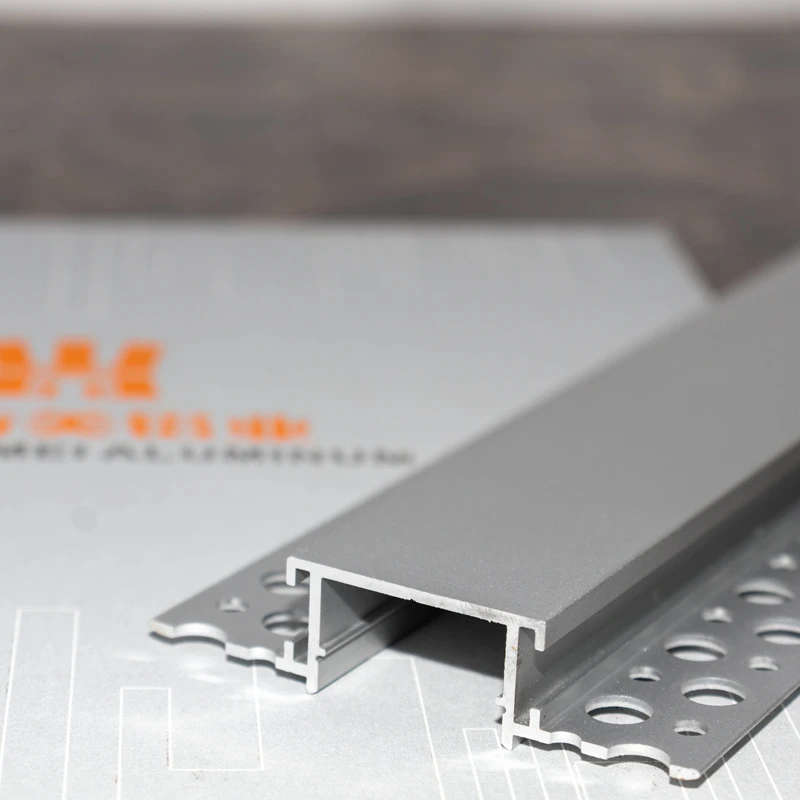
When choosing aluminum decorative trim, many people look at the width first and assume it will be fine. But whether an LED strip can sit properly in the channel depends not only on width, but also on the depth and the opening angle. Some LED strips come with adhesive backing. If the channel base isn't flat or the depth isn't enough, the strip ends up crooked, and the light comes out uneven-bright in some sections and dim in others.
So before confirming the aluminum trim specifications, it's better to also confirm which LED strip will be used. How many millimeters wide is it? Is it a bare board or does it have a sleeve? Giving this information to the manufacturer allows them to judge whether the channel opening is suitable. At Xingtaomei Aluminum, we often see cases where a client chooses the LED strip first, only to find that the trim channel doesn't match. In the end, they either have to modify the cross-section or change the LED strip. Confirming the LED strip model first and then deciding on the aluminum trim saves a lot of trouble.
The PC cover affects the quality of light
Some aluminum decorative trim is open, with the LED strip directly exposed. Others come with a PC cover that hides the strip. PC covers come in clear, semi-frosted, and frosted versions, and the light effect varies considerably.
Clear covers give the most direct light with minimal brightness loss, but the individual LED chips may be more visible. They're suitable for places that need high brightness, or when using COB strips that already have a uniform appearance. Frosted covers soften the light a lot, making it more even on walls and ceilings. They're less harsh for everyday use and work well in homes. There are also opal covers, which have lower light transmittance and a more contained glow, good for ambient lighting.
When choosing a PC cover, besides the light effect, also check how tightly it fits into the aluminum channel. If it's too loose, it may fall out. If it's too tight, replacing the LED strip later becomes difficult. This is best tested during the sampling stage.
The color of the aluminum itself determines how it looks when the light is off
When the light is on, aluminum decorative trim is a light channel. When the light is off, it's simply a line. So its surface color and texture need to blend into the surrounding environment. For example, if the cabinet is dark wood grain, use a dark-colored aluminum channel. If the wall is cream-colored, a matte white aluminum trim will look more harmonious than silver.
Xingtaomei Aluminum does custom aluminum decorative trim, and both color and surface treatment can be matched to the project. Some clients send us small samples of their wall panels or cabinet doors, and we make samples based on those color swatches. The result is that when the light is off, the aluminum trim is almost invisible, and only when the light comes on does the glow appear. This effect is especially popular in minimalist and modern styles.
Recessed or surface-mounted installation affects the cross-section choice
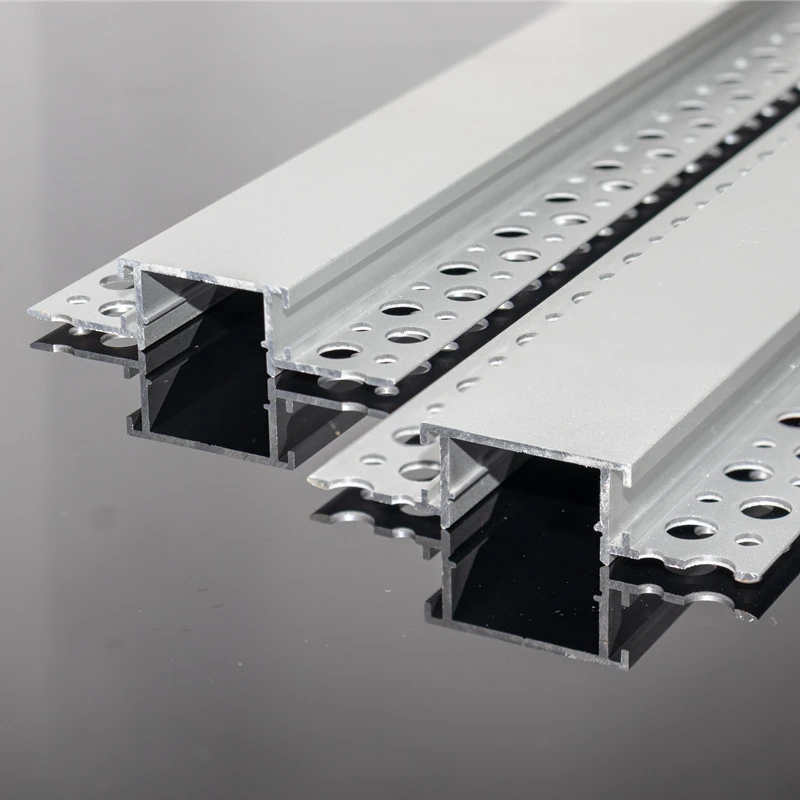
The combination of aluminum decorative trim and LED strips can be recessed into a wall or cabinet, or surface-mounted onto a ceiling or wall. Recessed trim has a more complex cross-section-a groove needs to be cut into the substrate first, and the aluminum profile is embedded so the final result is flush. Surface-mounted trim has its own mounting base and can be fixed with screws or adhesive.
The advantage of recessed installation is a stronger sense of integration-the aluminum doesn't protrude and doesn't collect dust. The advantage of surface mounting is faster installation and lower renovation cost. These two methods require completely different aluminum cross-sections, so it's best to decide on the installation method early in the renovation and then look for a suitable aluminum decorative trim manufacturer to discuss the cross-section. If you wait until you're on site to decide, you'll often be limited to surface mounting.
During sampling, test the LED strip and aluminum trim together
No matter how detailed the early communication is, the fit between the LED strip and the aluminum decorative trim ultimately needs to be confirmed with physical samples. During sampling, insert the LED strip into the aluminum profile, power it on, and check whether the light output is even, whether the PC cover snaps on securely, and whether the colors work together. Ideally, test it in the actual installation environment-for example, on the front edge of a cabinet shelf or near a wall-to observe the halo and shadows.
Some problems don't show up when looking at the sample alone, but become obvious once it's placed in the environment. Spending a bit of time at the sampling stage is much cheaper than reworking after bulk installation.
Pairing aluminum decorative trim with LED strips isn't overly complicated. It mainly comes down to thinking through a few things during selection: the LED strip, the PC cover, the aluminum color, and the installation method. Foshan Xingtaomei Aluminum Industry Co.,Ltd regularly produces this kind of aluminum decorative trim with built-in LED channels, both in standard cross-sections and custom designs. If you're unsure, send us some site photos and the LED strip specifications. We have professional customer service online and can help you figure out the right combination.