

In the custom production chain of all-aluminum wardrobes, one step is often considered last, yet it plays a decisive role in the final result-surface treatment.
The cross-section determines the structure and function of the profile, while the surface treatment determines its "look and feel." The same cross-section, the same aluminum material, can present drastically different textures depending on the surface treatment process used. One can look like a high-end piece of home furnishing; the other might resemble an industrial component. As an Aluminum Wardrobe Profile Manufacturer with years of experience in the field of aluminum furniture profiles, Xingtaomei Aluminum has consistently verified one thing in practice: the aesthetic appeal of Aluminum Wardrobe Profiles is eighty percent determined by the surface treatment process.
Wood-Grain Transfer: Making Aluminum Look Nothing Like Aluminum
Wood-grain transfer is currently the most widely used surface treatment process in the all-aluminum wardrobe sector. Its core value lies in giving aluminum alloy profiles the visual and tactile experience of natural wood, while preserving aluminum's inherent physical advantages of being moisture-proof, insect-resistant, and non-deforming.
Whether the wood-grain transfer effect is good or not depends on three key dimensions. The first is the clarity of the grain. A high-quality wood-grain transfer features sharp grain edges and distinct layering; even up close, the natural flow of the wood grain is visible. The second is color accuracy. Even for the same "walnut color," some lean reddish-brown while others lean dark coffee. Whether it can match the color swatch specified by the client tests the manufacturer's color-matching experience. The third is the three-dimensional feel of the texture. A premium transfer process not only looks like wood visually but also simulates the subtle undulations of wood grain to the touch. With eyes closed, you can feel a realistic textural feedback, rather than just a smooth, featureless surface.
Some low-cost wood-grain transfers on the market have blurry grain and a dull, lifeless color. They might look acceptable from a distance but reveal their flaws up close. Worse still, an inferior transfer layer may fade or peel after just a year or two of use, causing the wardrobe's appearance to plummet from "stunning when new" to "worn out after two years." When choosing Custom Aluminum Wardrobe Profiles, the craftsmanship level of wood-grain transfer is an indicator worth careful examination.
Solid-Color Spray Coating: Another Form of Expressing High-End Texture
If wood-grain transfer pursues a realistic effect of "aluminum replacing wood," solid-color spray coating takes a different path-using pure colors and a delicate touch to present a contemporary feel.
The advantage of solid-color spraying lies in its extremely high degree of color freedom. Whether it's the matte white and deep space gray favored by minimalist styles, or the currently popular Morandi color palette, they can all be accurately realized through color mixing and sampling. For custom projects that require high uniformity with cabinet door panels or wall colors, solid-color spraying is almost a mandatory choice.
One sub-category within the spray coating process that has drawn much attention in recent years is skin-feel spraying. The surface of profiles treated with this process feels fine and soft to the touch, somewhat like the texture of baby skin or velvet, far from the cold hardness of traditional metal. Installed on wardrobe door frames or drawer handles, the difference is felt the moment your fingers make contact. Another advantage of skin-feel spraying is that the surface is less prone to leaving fingerprint marks, making it easier to maintain a clean and tidy appearance in daily use.
The challenge with solid-color spraying lies in batch-to-batch color consistency. A single wardrobe project often requires delivery in multiple batches. If the white color of earlier and later batches has a color temperature deviation-one leaning warm white, the other cool white-the faint "dividing line" that appears when they are installed together can be very jarring. Experienced Aluminum Wardrobe Profile Manufacturers establish rigorous process parameter records and color swatch retention systems during the spraying stage, ensuring that every color mixing session can return to the same standard.
Anodizing: A Sophisticated Interpretation of the Natural Metal Look
For design styles that pursue a metallic texture, anodizing is an unavoidable surface treatment option.
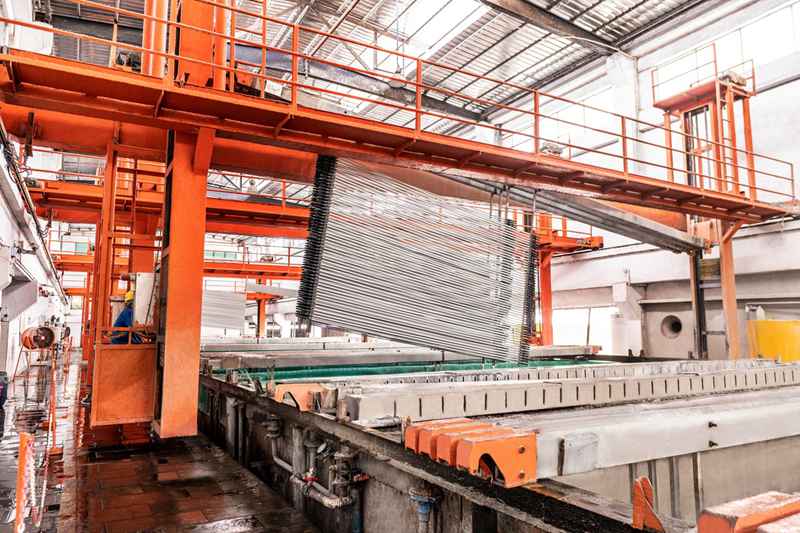
The essence of anodizing is the formation of a dense oxide film on the aluminum surface through an electrochemical reaction. This film is not applied as a coating but is transformed from the aluminum material itself, giving it extremely strong adhesion. Under normal usage conditions, it almost never peels or flakes off. After undergoing a coloring treatment, the anodized film can present a variety of metallic tones, from matte silver and brushed silver to champagne gold, rose gold, and black titanium.
The surface texture of anodized Aluminum Wardrobe Profiles is very unique-fine, smooth, with a subtle metallic luster, yet not overly reflective like electroplating. This "understated metallic feel" is particularly suitable for modern minimalist and Italian ultra-minimalist wardrobe designs. Especially when used as the border of a cabinet door or the decorative strip on the front edge of an open shelf, it enhances the overall refinement of the space without stealing the spotlight.
It's worth noting that anodizing places high demands on the quality of the aluminum substrate. If the aluminum billet lacks sufficient purity and has high impurity content, problems such as color differences, spots, or uneven gloss are prone to appear on the surface after oxidation. This makes the choice of source factory particularly important-an Aluminum Wardrobe Profile Source Factory with its own anodizing line can control everything from the billet composition to the oxidation process parameters, offering greater assurance of surface quality.
Surface Treatment Is Not an Isolated Island; It Is Connected to the Manufacturing System
The quality of surface treatment is never the result of a single process. If the profile surface from the preceding extrusion process lacks sufficient smoothness, it's difficult for any subsequent treatment to create a premium feel. If the cleaning and passivation in the pre-treatment stage are inadequate, the adhesion of the oxide film or coating will be compromised. If process parameters are inconsistent between different batches, color deviations will occur.
What this ultimately tests is the overall manufacturing capability of a Custom Aluminum Wardrobe Profile Manufacturer-whether it has its own surface treatment production line, whether it has standardized process control procedures, and whether it has a comprehensive quality control system from raw materials to finished products. A deficiency in any single link will be exposed in the surface treatment process, the "beauty step."
Foshan Xingtaomei Aluminum Industry Co.,Ltd possesses a complete production line from extrusion and surface treatment to deep processing, and has passed ISO9001 quality management system certification and CQM certification. Mainstream surface treatment processes such as wood-grain transfer, solid-color spraying, and anodizing can all be completed in-house, with full control from source to finished product. If you are looking for a profile solution with stable surface treatment and precise color for your wardrobe project, you are welcome to send us your requirements or color swatches. We have professional customer service online, ready to assist you in confirming the surface effect and color matching, ensuring that the aesthetic appeal of every single profile can withstand close inspection.